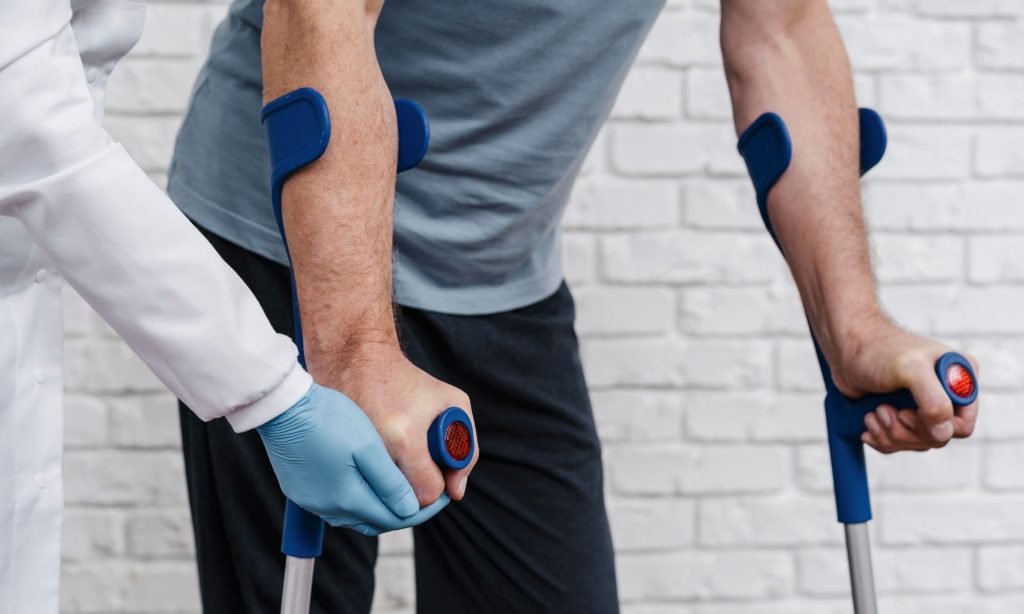

Many Australians hold their Life and Total & Permanent Disability (TPD) insurance through their superannuation fund. While this default cover offers convenience and affordability, it is important to understand that retail Life and TPD insurance policies can often provide stronger protection and greater certainty when it matters most.
One of the key advantages of retail insurance is the quality and certainty of cover. Retail policies are individually underwritten when you apply. This means the insurer assesses your personal health, occupation, and lifestyle upfront. Once accepted, your cover is generally guaranteed under the policy terms. In contrast, insurance inside super is often provided through group policies, where underwriting is minimal or absent at the start. While this makes entry easy, it can sometimes result in stricter claim assessments later if medical history was not disclosed or if eligibility conditions were not fully met.
Another important difference is the definition of disability under TPD cover. Retail TPD policies frequently offer “own occupation” definitions. This means a claim may be paid if you are unable to work in the specific occupation you were trained for or performing prior to disability. Many superannuation-based TPD policies instead rely on “any occupation” definitions, requiring that you be unable to work in any job suited to your education, training or experience. This higher threshold can make claims more difficult.

Retail policies also provide greater flexibility and customisation. Policyholders can tailor cover amounts, benefit structures, waiting periods, and optional features such as guaranteed future insurability or indexation. This allows insurance to evolve with changing financial responsibilities, such as a mortgage, children, or business commitments. Superannuation group cover, by comparison, is generally standardised and offers limited opportunity for personalisation.
Ownership and control is another factor. With retail cover, the policy is typically owned personally and remains in force regardless of employment or superannuation fund changes. Group cover inside super can be affected by changing funds, switching employers, or balance-related thresholds that may reduce or cancel cover.
Finally, retail insurance may provide more comprehensive benefits and stronger claims support. Because policies are designed for individual clients rather than large member groups, they often include clearer definitions, broader coverage options, and greater certainty around long-term protection.
Superannuation insurance continues to play an important role in providing accessible cover for millions of Australians. However, for individuals seeking higher certainty, broader protection, and tailored financial security, retail Life and TPD insurance can offer significant advantages.
For many households, reviewing insurance arrangements and understanding the differences between superannuation and retail cover is a valuable step in building a resilient financial protection strategy.
Send us your Super cover information Now! You could improve your cover and reduce your premiums!