Have you ever considered how well you understand the signs of a stroke?
This thought-provoking question is not just a conversation starter; it could very well be a lifesaver. With one in four people expected to experience a stroke in their lifetime, it’s crucial to arm ourselves with knowledge.
What is a Stroke?
A stroke occurs when the blood supply to the brain is interrupted or reduced, depriving brain cells of oxygen and nutrients. This can lead to serious brain damage or even death. There are two primary types of stroke:
- Ischaemic Stroke: This is the most common type, accounting for about 87% of all strokes. It occurs when an artery supplying blood to the brain becomes blocked, often by a blood clot.
- Haemorrhagic Stroke: This type is less common but can be more deadly. It occurs when a blood vessel in the brain bursts, leading to bleeding in or around the brain.
Understanding how strokes occur is vital in recognising their warning signs and taking preventive action.
The Impact of Stroke
Stroke is one of Australia’s leading killers, claiming more lives than breast cancer in women and prostate cancer in men. According to recent statistics, approximately every 19 minutes, someone in Australia suffers from a stroke. These staggering figures highlight the urgent need for public awareness and education about stroke prevention.
Imagine a loved one—or even yourself—experiencing a stroke. The physical, emotional, and financial toll can be overwhelming. But here’s the silver lining: more than 80% of strokes can be prevented.
Warning Signs of Stroke
One significant warning sign to be aware of is the Transient Ischaemic Attack (TIA), often referred to as a “mini-stroke.” While symptoms may disappear within a short time, TIAs should never be ignored, as they are linked to an increased likelihood of a major stroke.
Recognising the symptoms of a stroke or TIA can be life-saving. Here are some key signs to watch for:
- Numbness or Weakness: Particularly on one side of the body (face, arm, or leg).
- Severe Headaches: Sudden and intense headaches with no known cause.
- Dizziness or Loss of Balance: Unexplained falls or difficulty walking.
- Vision Changes: Loss of vision in one eye or double vision.
- Difficulty Swallowing: Trouble controlling saliva or choking.
- Nausea or Vomiting: Particularly if accompanied by other symptoms.
A helpful way to quickly identify if someone is having a stroke is through the F.A.S.T. test:
- Face: Ask the person to smile. Does one side of their face droop?
- Arms: Can they lift both arms? Does one arm drift downward?
- Speech: Is their speech slurred or strange? Can they repeat a simple sentence?
- Time: If you observe any of these signs, call emergency services immediately.
Risk Factors for Stroke
Understanding the risk factors associated with stroke is crucial for prevention. These can be categorised into three main groups:
- Fixed Factors: These are uncontrollable aspects such as age (risk increases with age), gender (men have a higher risk), and family history of stroke.
- Medical Factors: Certain medical conditions heighten the risk of stroke, including:
- Previous TIA
- Irregular heart rhythms (such as atrial fibrillation)
- Diabetes
- Fibromuscular dysplasia (which narrows arteries)
- Lifestyle Factors: Many risk factors can be modified through lifestyle changes:
- High Blood Pressure: This is the most significant risk factor for stroke.
- High Cholesterol: Contributes to artery blockage.
- Smoking: Increases blood clot formation.
- Obesity and Physical Inactivity: Being overweight and sedentary can elevate risk.
- Unhealthy Diet: A diet high in salt and low in beneficial nutrients can negatively impact overall health.
- Excessive Alcohol Consumption: Drinking more than the recommended amounts can increase stroke risk.
Strategies to Reduce Stroke Risk
The first step in protecting yourself from a stroke is understanding your risk factors. While some are beyond your control, many lifestyle changes can significantly reduce your chances of experiencing a stroke:
- Know Your Numbers: Regularly check your blood pressure and cholesterol levels. The Stroke Foundation recommends that everyone know their baseline numbers and consult with their doctors if they are outside healthy ranges.
- Make Lifestyle Changes:
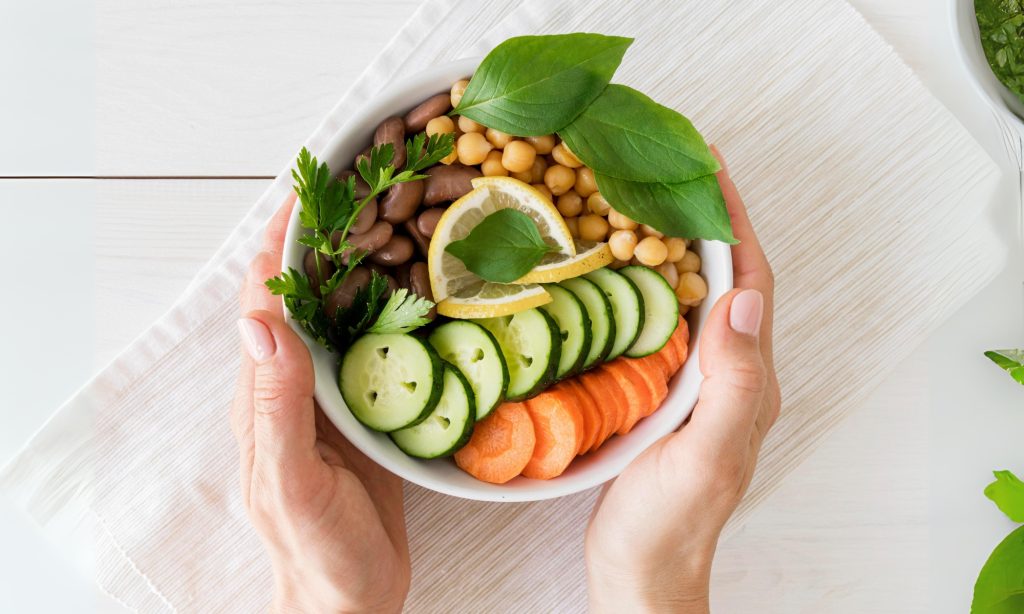
- Eat Well: Incorporate fruits, vegetables, whole grains, and lean proteins into your diet while reducing salt intake.
- Stay Active: Aim for at least 150 minutes of moderate exercise each week.
- Maintain a Healthy Weight: Work towards keeping your weight within a healthy range.
- Quit Smoking: Seek resources and support to help you quit smoking.
- Limit Alcohol Consumption: Stay within the recommended limits for alcohol intake.
- Regular Check-Ups: Schedule regular consultations with your healthcare provider to discuss your health and any necessary lifestyle adjustments.
The Role of Insurance in Stroke Prevention
In addition to lifestyle changes, it’s essential to consider your financial security should a stroke occur. Adequate insurance coverage—such as life insurance, trauma insurance, total permanent disability insurance, and income protection—can provide valuable support during challenging times.
Having the right insurance helps safeguard your family’s future and ensures that you receive necessary medical care without financial strain. If you’re unsure about your coverage options or need advice tailored to your situation, speaking with a financial adviser can offer peace of mind.
Conclusion
In summary, strokes are a significant health threat, but they are largely preventable through awareness and proactive measures. By understanding the signs, recognising risk factors, and making lifestyle changes, you can protect yourself and your loved ones from this devastating condition.
Remember, knowledge is power. Share this information with your family and friends to ensure everyone knows how to act swiftly in case of a stroke emergency.
Related Resources
For further reading on strokes, visit the following links:
- Stroke Foundation – About Stroke
- Stroke Foundation – What is a Stroke?
- Stroke Foundation – Prevent Stroke
By staying informed about strokes and taking action today, you can play an essential role in reducing your risk and improving your overall health.